




Brick Machine Hydraulic System Explained: Pressure, Flow, and Performance
Quick Answer
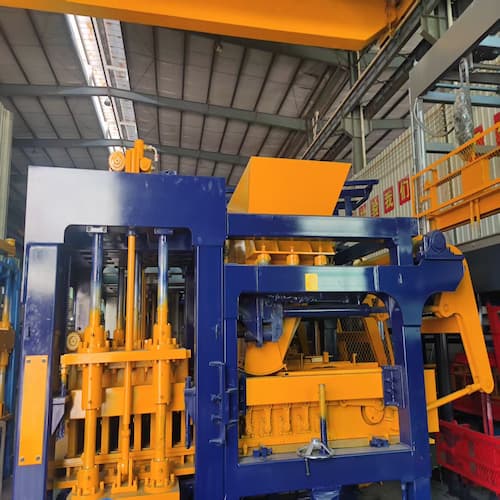
The hydraulic system is the heart of any modern concrete brick making machine, converting electrical energy into controlled mechanical force for compaction, mold movement, and material feeding. A typical block machine hydraulic system operates at 16–22 MPa working pressure, with flow rates ranging from 40–100 L/min depending on machine size and cycle requirements. System performance is determined by three key parameters: pressure (force output), flow rate (speed of operation), and fluid cleanliness (reliability and component life). Hydraulic systems offer distinct advantages over mechanical drives—smooth force transmission, adjustable speed and pressure, and overload protection—making them essential for producing high-density, consistent-quality blocks. Understanding these principles enables engineers and operators to optimize performance, troubleshoot issues, and extend equipment life.
1. User Search Intent Analysis
1.1 Who Is Searching and Why?
| Audience | Primary Intent | Key Concerns |
| Maintenance Engineers | Technical/Troubleshooting | Diagnosing pressure drops, flow issues, overheating |
| Production Engineers | Technical/Optimization | Optimizing pressure and flow for quality and speed |
| Procurement Managers | Commercial/Decision | Comparing hydraulic vs. mechanical drive systems |
| Machine Operators | Practical/Operational | Understanding pressure settings and maintenance |
1.2 Key Search Intent Categories
Technical Understanding: How hydraulic systems generate and control force Performance Optimization: Adjusting pressure and flow for quality and efficiency Troubleshooting: Diagnosing common hydraulic problems Equipment Selection: Comparing hydraulic systems across machine models.
2. Key User Questions
Q: What pressure does a block machine hydraulic system operate at?
Most block machine hydraulic systems operate at working pressures of 16–22 MPa (160–220 bar). The specific pressure depends on the machine model and block type. Higher pressure produces denser blocks but increases wear on components. For standard hollow blocks, 18–20 MPa is typical, while high-strength pavers may require 20–22 MPa.
Q: What is the difference between pressure and flow in a hydraulic system?
Pressure and flow serve distinct functions. Pressure determines the force the system can exert—higher pressure means more compaction force. Flow determines the speed of operation—higher flow means faster cylinder movement and shorter cycle times. Both must be balanced: excessive pressure without adequate flow leads to slow cycles, while high flow with low pressure produces weak compaction.
Q: How does hydraulic pressure affect block quality?
Hydraulic pressure directly influences block density and strength. Insufficient pressure results in under-compacted blocks with high porosity and low compressive strength. Excessive pressure can cause over-compaction, leading to internal cracking and wasted energy. Optimal pressure ensures uniform density and consistent quality.
Q: What are common hydraulic system problems in block machines?
Common issues include pressure loss (worn pump, internal leaks), overheating (contaminated oil, clogged cooler), slow operation (low flow, clogged filter), and erratic movement (air in system, faulty valves). Regular maintenance—oil changes, filter replacement, and contamination control—prevents most problems.
3. Hydraulic System Components
3.1 Power Generation
The hydraulic pump converts mechanical energy from the electric motor into hydraulic energy. Gear pumps are common for their simplicity and cost-effectiveness; piston pumps offer higher efficiency and pressure capability for demanding applications. Variable displacement pumps allow flow adjustment for different cycle requirements, improving energy efficiency.
3.2 Control Valves
Directional control valves direct hydraulic fluid to the appropriate actuators. Proportional valves enable precise control of flow and pressure, allowing smooth acceleration and deceleration of mold movements. Pressure relief valves protect the system from overpressure by diverting excess flow back to the tank.
3.3 Actuators
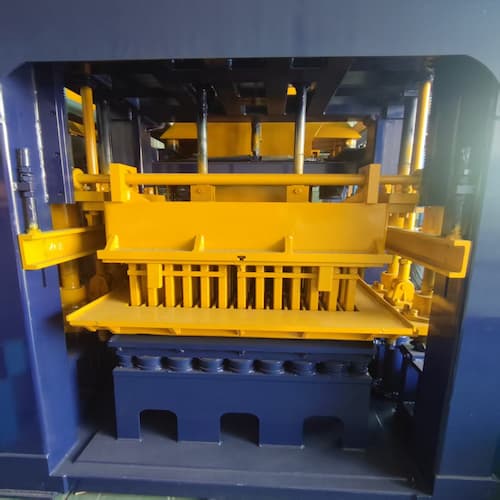
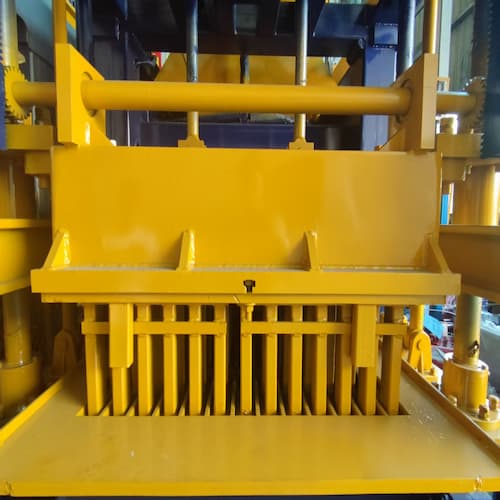
Hydraulic cylinders convert fluid pressure into linear force for mold compaction, ejection, and feeding. Cylinder bore size determines force output, while stroke length determines travel distance. Seals prevent internal and external leakage—critical for maintaining pressure and preventing contamination.
3.4 Fluid and Filtration
Hydraulic oil serves multiple functions: transmitting power, lubricating components, and dissipating heat. Oil cleanliness is critical—contamination accelerates wear and causes valve malfunction. Filtration systems remove particles, with micron ratings typically 10 μm or finer for block machine applications. Cooling and Reservoir Heat is generated by pressure drops and friction. Cooling systems maintain oil temperature within 40–55°C for optimal performance. The reservoir provides oil storage, heat dissipation, and contaminant settling.
4. Performance Optimization
4.1 Pressure Control
Pressure settings must be adjusted for each block type. Higher density blocks require higher pressure; lighter blocks need less. Use pressure gauges to verify settings and check for drops that indicate internal leakage. Pressure should be consistent throughout the cycle—fluctuation indicates valve or pump issues.
4.2 Flow Optimization
Flow rate determines cycle speed. Variable displacement pumps allow flow adjustment to match production requirements. During non-productive phases (mold return, feeding), flow can be reduced to save energy. Proportional valve control enables smooth motion profiles that reduce shock and extend component life.
4.3 Temperature Management
Hydraulic oil viscosity changes with temperature. Oil that is too hot loses viscosity, causing internal leakage and reduced efficiency. Oil that is too cold increases resistance and pressure drop. Maintaining 40–55°C ensures optimal viscosity. Coolers should be cleaned regularly, and reservoir levels maintained.
4.4 Contamination Control
Filtration is the most important maintenance activity. Replace filters according to schedule, not just when clogged. Use clean containers when adding oil. Keep reservoir breathers clean and functional. Regular oil analysis identifies contamination trends before they cause failures.
5. Troubleshooting Guide
5.1 Low Pressure
Check relief valve setting
Inspect pump for wear
Test for internal leaks in cylinders
5.2 Overheating
Check cooler operation
Verify oil level and condition
Inspect for restricted return lines
5.3 Slow Operation
Check flow settings
Inspect filter for clogging
Test pump output
5.4 Erratic Movement
Check for air in system
Inspect valves for sticking
Verify pilot pressure
6. FAQ
1. What is the working pressure of a block machine hydraulic system?
Most systems operate at 16–22 MPa. Standard hollow blocks require 18–20 MPa, while high-strength pavers may need 20–22 MPa.
2. How does hydraulic pressure affect block density?
Higher pressure increases compaction force, producing denser blocks with higher compressive strength. Insufficient pressure results in porous, weak blocks.
3. What is the difference between pressure and flow?
Pressure determines force; flow determines speed. Both must be balanced for optimal performance.
4. What causes hydraulic system overheating?
Contaminated oil, clogged coolers, low oil levels, and restricted return lines.
5. How often should hydraulic oil be changed?
Every 2,000–4,000 operating hours, or annually, depending on contamination levels and operating conditions.
6. What filtration rating is recommended?
10 μm or finer for block machine applications to prevent valve and cylinder wear.
7. How can I improve hydraulic system efficiency?
Use variable displacement pumps, optimize pressure and flow settings, maintain proper temperature, and control contamination through regular filtration.
If you want to get more information about our products, you can click www.yxbrickequipment.com